“I’ve taken part in some terminations, but I try to detach myself so I don’t feel so bad.”
Clinical Nurse Shelley Mehigan, who has specialized in family planning for eighteen years
Ann Barrowclough “Abortion: This is What Our Nurses Really Think”
She is not the only abortion provider who has expressed the need to “disassociate” from the abortion procedure. Seeing an unborn baby torn limb from limb can be traumatic, and one way of coping is to emotionally detach.
“[Among abortionists] we’ve had guys drinking too much, taking drugs, even a suicide or two…There have been no studies I know of the problem, but the unwritten kind of statistics we see are alarming.”
Mark Crutcher Access: The Key to Pro-Life Victory p 26 (quoted from The Philadelphia Inquirer August 2, 1981
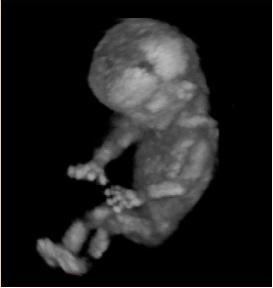
This goes to show that the emotional strain of tearing apart unborn babies like the one below takes its toll, eventually, on the mental health of providers. See the personal testimonies of former clinic workers to read more about this.
“No doctor, for ethical, moral or honest reasons wants to do nothing but abortions…women don’t like to do abortions over and over for moral reasons. Sometimes our women doctors become pregnant themselves, which upsets the patients. At the same time, if a woman is carrying a baby, she doesn’t like to abort someone else’s. We have much more trouble keeping women doctors on the staff than men.”
Dr. Edward Eichner, director of medicine at a Cleveland abortion facility
(James Tunstead Burtchaell Rachel Weeping: And Other Essays on Abortion Life Cycle Books 1991)43
From a nurse who works for abortionist Dr. Peter Bours:
“I’ve been cleaning up after him for four years. We all wish it [the baby] were formless, but it’s not. It has a form. And it’s painful. There’s a lot of emotional pain.”
Dudley Clendinen “The Abortion Conflict: What it Does to One Doctor” The New York Times August 11, 1985
“I have fetus dreams, we all do here: dreams of abortions one after the other; of buckets of blood splashed on the walls; trees full of crawling fetuses. I dreamed that two men grabbed me and began to drag me away, ‘Let’s do an abortion,’ they said with a sickening leer, and I began to scream, plunged into a vision of sucking, scraping pain, of being spread and torn by impartial instruments that do only what they are bidden …”
Abortion clinic worker
Sallie Tisdale “We do Abortions Here” Harpers Magazine October 1987
“I observed during my medical training as an Australian physician many abortions by experienced practitioners. They experienced, without exception, physical revulsion and moral bewilderment.”
Dr. Susan Conde
Mark Crutcher Access: The Key to Pro-Life Victory p 25 (from The New York Times, October 19, 1994)
Dr. Warren Hern, famous late-term abortionist, relates a conversation he had with a friend:
“He is one of my best friends, a medical colleague who is strongly pro-choice and who has done abortions himself. I called him late Saturday afternoon and said I wanted to come over. He asked me where I was and I told him I was at my office. ‘Still killing babies this late in the afternoon?’ It was like a knife in my gut. It really upset me. What it conveys is that no matter how supportive people may be, there is still a horror at what I do.”
Mark Crutcher “Access: The Key to Pro-Life Victory” p 23 (from The New York Times, January 8, 1996
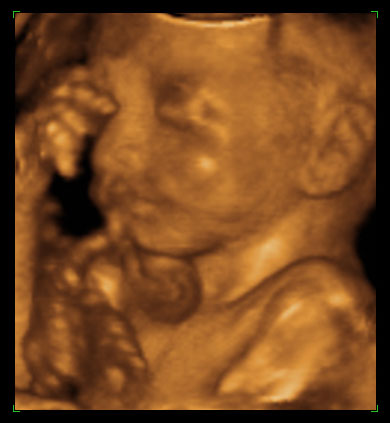
22 to 24 weeks – Dr. Hern does abortions at this stageShare on Facebook
“I guess I never realized I would find [performing abortions] as unpleasant as I do. I really don’t enjoy it at all. It’s not a rewarding thing to do…”
New York Abortionist
Mark Crutcher Access: The Key to Pro-Life Victory p 21 (from The New York Times Magazine, January 19, 1998)
“I wish I would never have to do another one [abortion]. I don’t like it. It’s not fun. It’s not like you’re curing a cancer or fixing a broken bone. You’re terminating a potential life.”
Steve Tucker, M.D., owner of three abortion clinics in Mississippi and Alabama. In a typical year he does 7,000 abortions
8 week sonogram
Mark Crutcher Access: The Key to Pro-Life Victory p 21 (from The New York Times Magazine, January 19, 1998